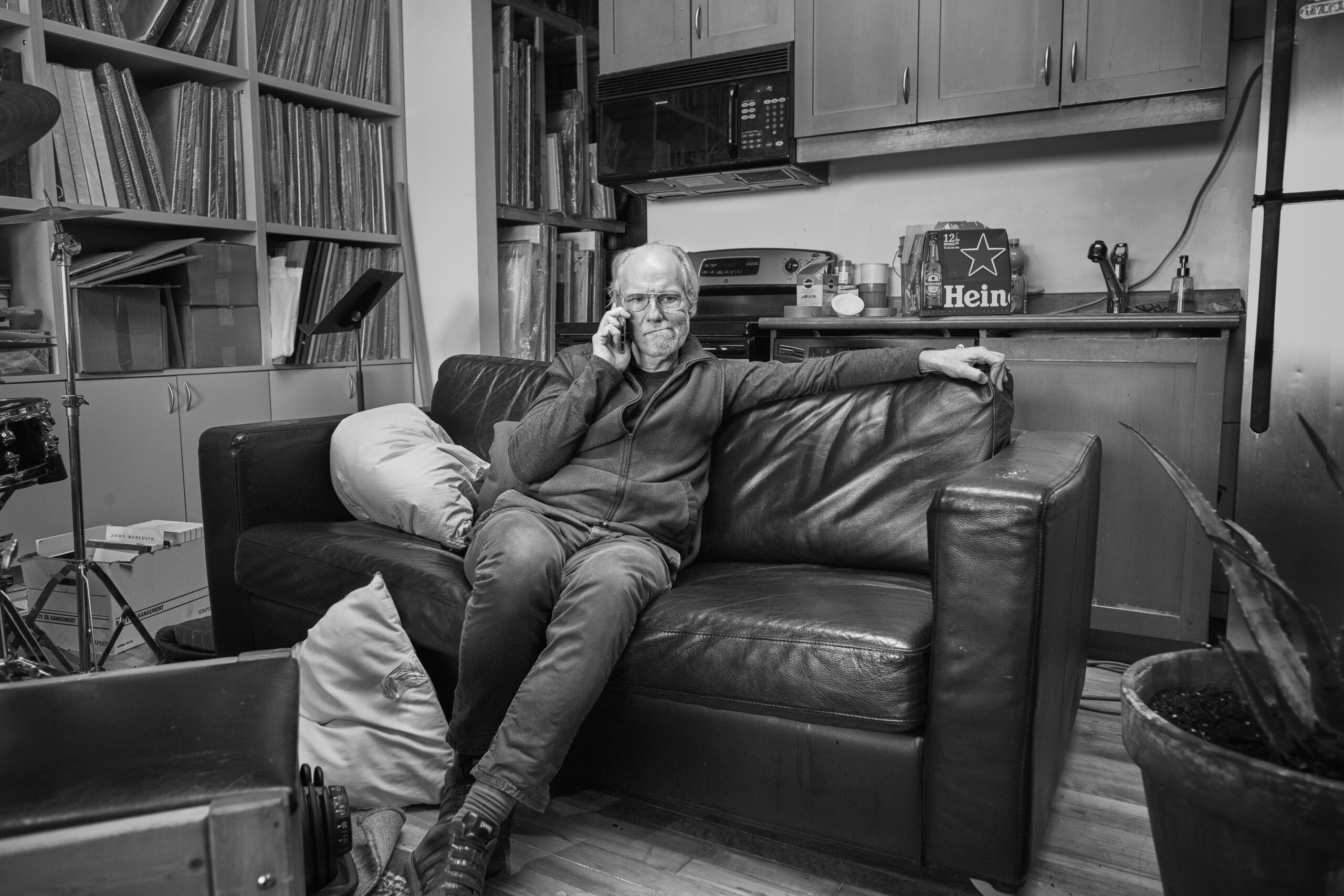
This is an ongoing work; I intend to continue with this series, photographing artists, gallerists, curators and generally people in fine arts. I see it as a time capsule project, ideally culminating in publishing a book.
A selection of photographs from this set was presented at my solo exhibition at Koffler Arts in October 2025.
If I were to attempt to trace the genealogy of this series I would have to go back perhaps 12-15 years, to a conversation with my late mentor about “profound” in visual arts. His point was that to paint like Leonardo, one has to develop to the level of Leonardo, both as a person, a thinker and a creator; I agreed. Having few hopes in this regard I felt that perhaps my choice of subjects could provide this hard-to-define quality – hence my focus on people who mine their emotional depths for living, namely artists.
For some time then I felt that the image that exemplified the feeling I was striving for, was a photograph of Francis Bacon in his studio at Reece Mews. He was photographed a lot there, by various people… the one that jumped out to me was that of FB standing in a narrow corner of the studio, wearing black turtleneck and white pants. His outfit is immaculate; behind him is an abominable pile of the kind of detritus that can be found at any painter’s workplace – dried-out palettes and brushes, plates with caked-up gesso and pigments, squeezed out tubes and so on. He looks somewhat sheepish as if unsure of himself and his relationship to this space. I gazed at that photograph for quite some time. There was a certain quality to it that I can describe as it was feeling like a motion footage (with the subject standing still) rather than a photo…
Years later I happened upon a show in NYC that featured mostly video works; large scale projections of street scenes, city life, etc. – not super pertinent to this write-up, but there was a video there that had absolutely no motion in it for rather long stretches, maybe minutes at the time. I stood there transfixed, looking at it with some new understanding.
I wanted to try this. I wanted to try to record a video portrait of a subject being absolutely still in the footage and display it back as a video piece. I felt there was some sort of technological magic happening with this approach, a hint at the “numinous” that I was searching for. This work is still ongoing.
In parallel to the happenings described above I kept on searching for tools and equipment that got me closer to this idea of mine, my inner image of an ideal portrait. With years flicking by, I tried a variety of film and digital cameras and formats, lenses of every kind, novel film processing techniques, historical analog processes (platinum and salt printing in particular), and so on.
The unexpected breakthrough came when a friend and a mentor, and a photographer of some renown – Geoffrey James, bequeathed me his older Leica monochrom camera. It was a strange beast, a model that uses a type of sensor no longer used in modern cameras and generally delivers images that are half-cooked at best, and require extensive manipulation and processing to yield a useful photograph. I looked at Leicas before but mostly at newer digital models or, inversely, older film cameras – but as a platform it’s quite a commitment to start working with it, and I was not seeing the types of results I was looking for then.
Suddenly, things started to snap into place. The next few months were spent experimenting, until I managed to develop a reliable workflow that got me closer to where I wanted to go.
The first photo that I felt was approaching the kind of images I had in my mind was the shot of Joe & Grace (shown elsewhere on this site). At last, I knew what to do.
What have I learned thus far? I now believe that the “profound” feeling certain artworks possess, while others do not, cannot be consciously constructed or designed. It can only be intuited.
This feeling comes only from recognition (or pre-cognition, for that matter) – a recognition of something archetypal, something that lies outside the boundaries of the senses, in the domain of the collective unconscious.
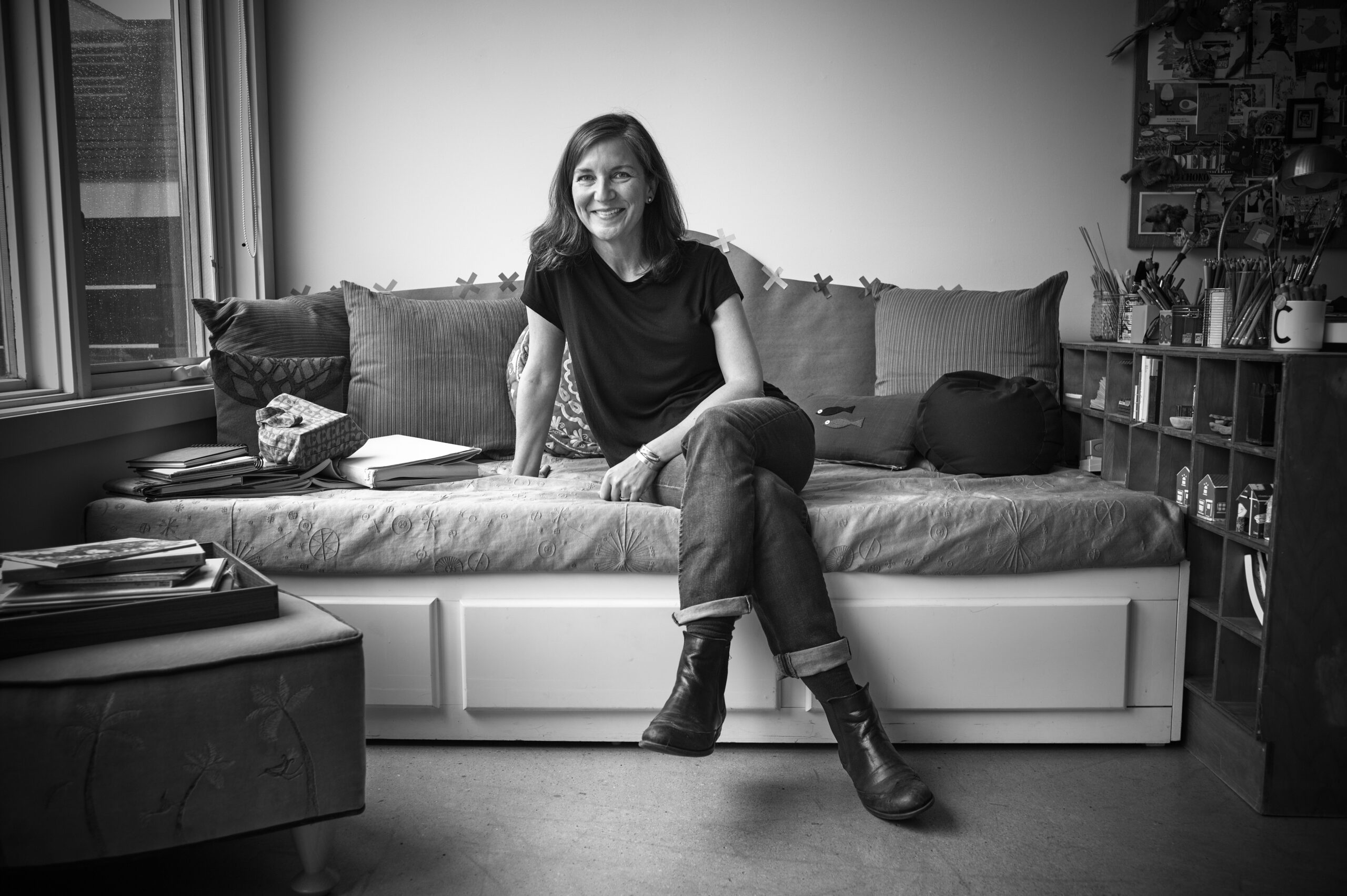


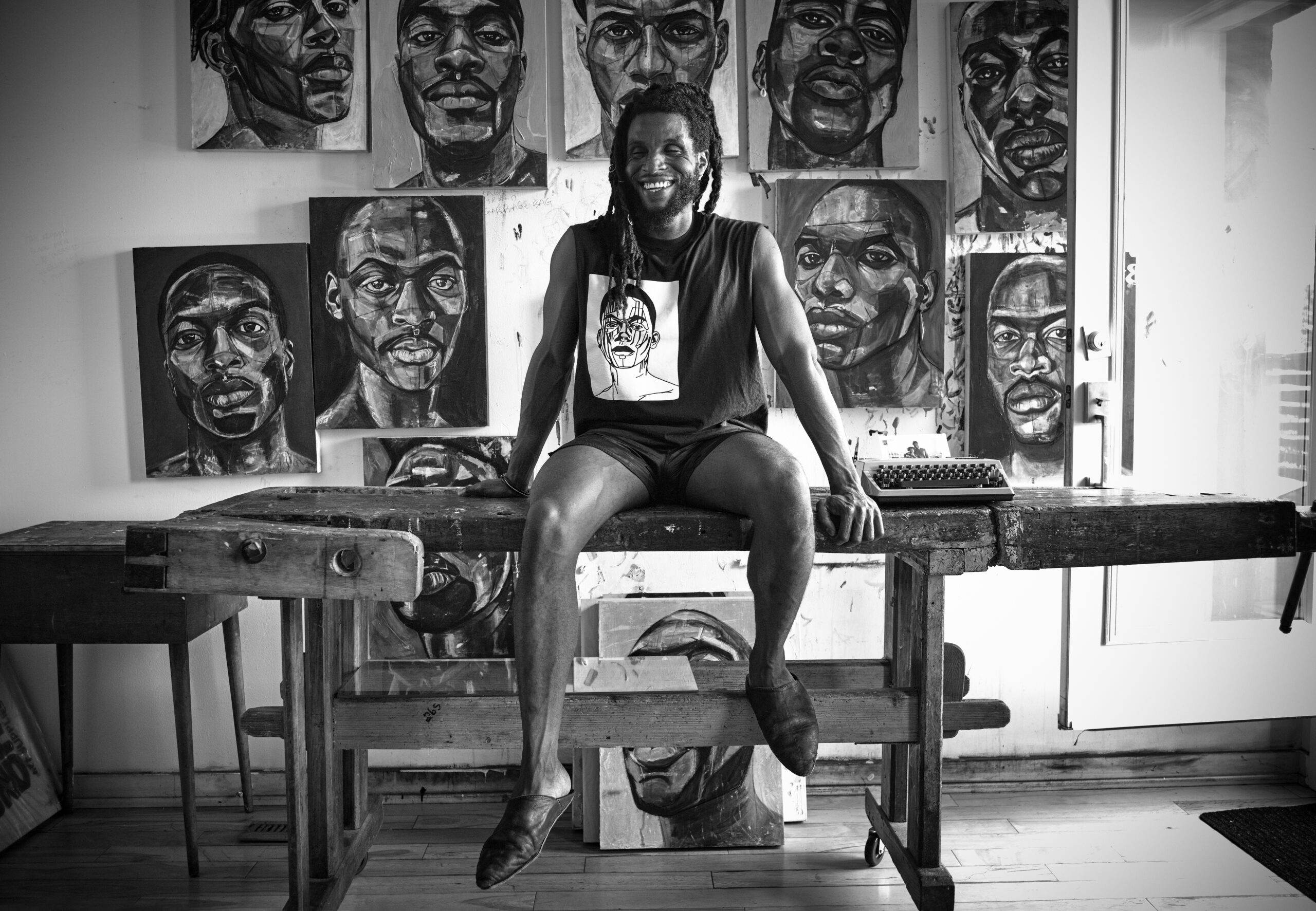
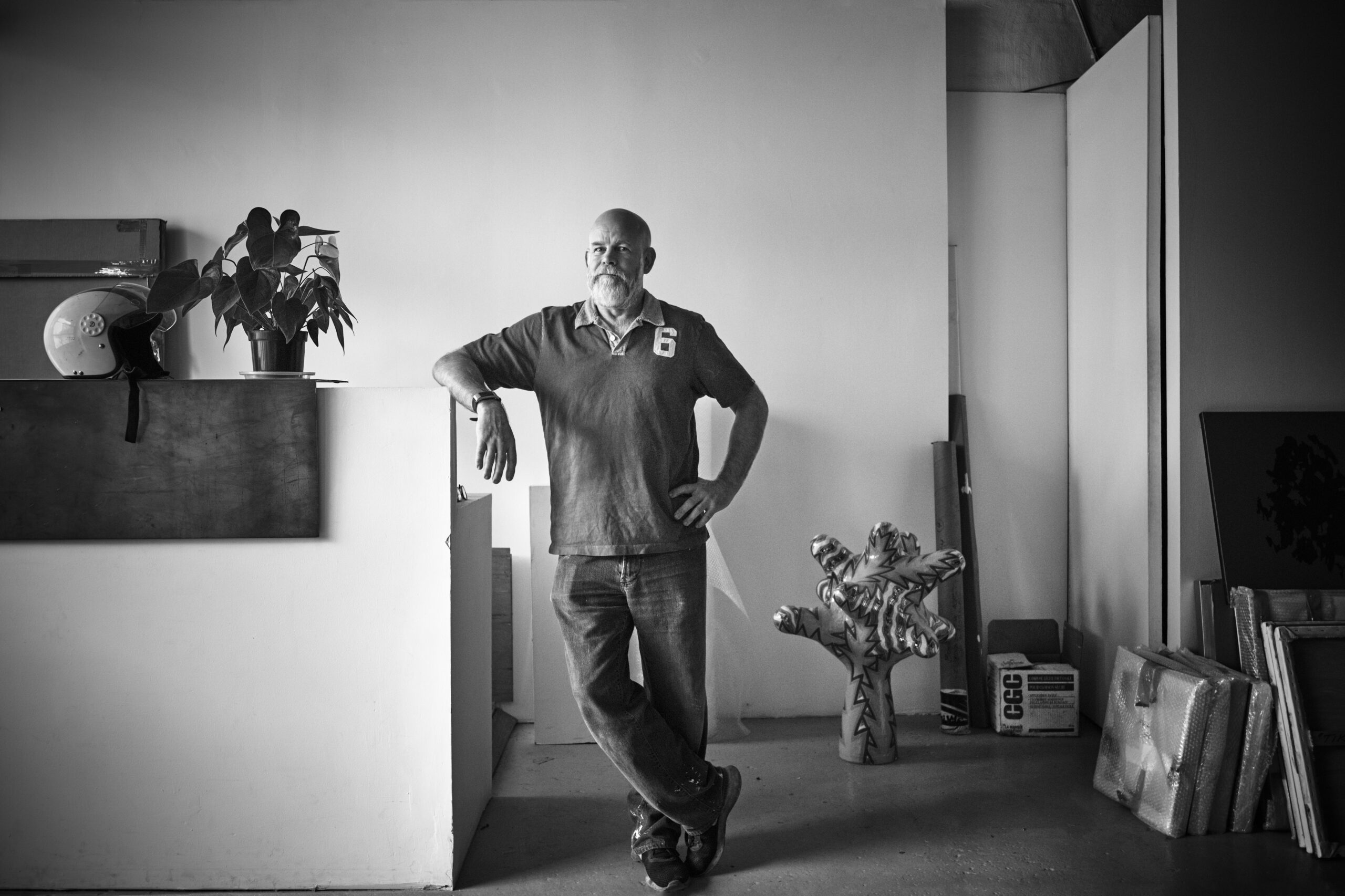
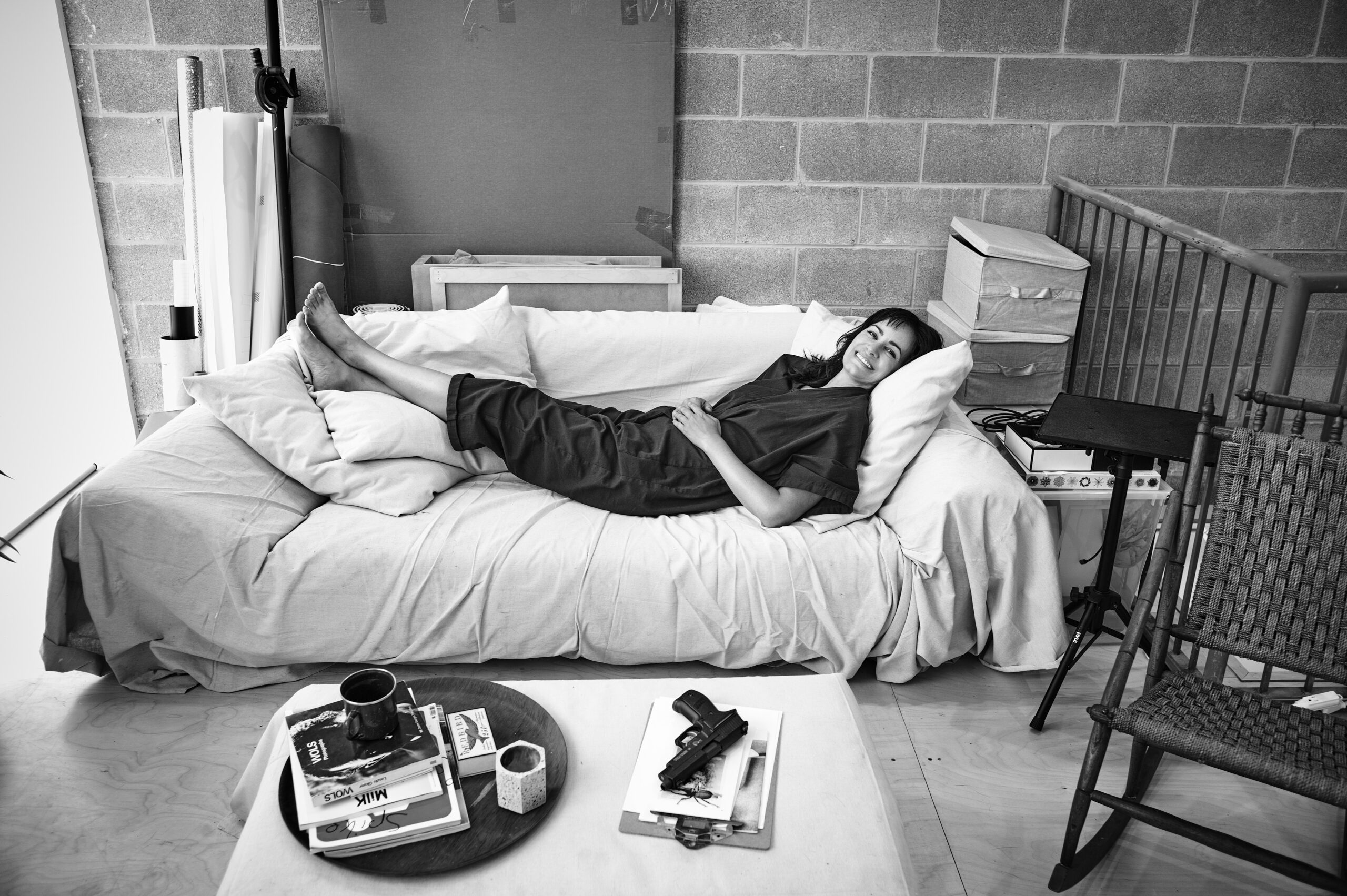
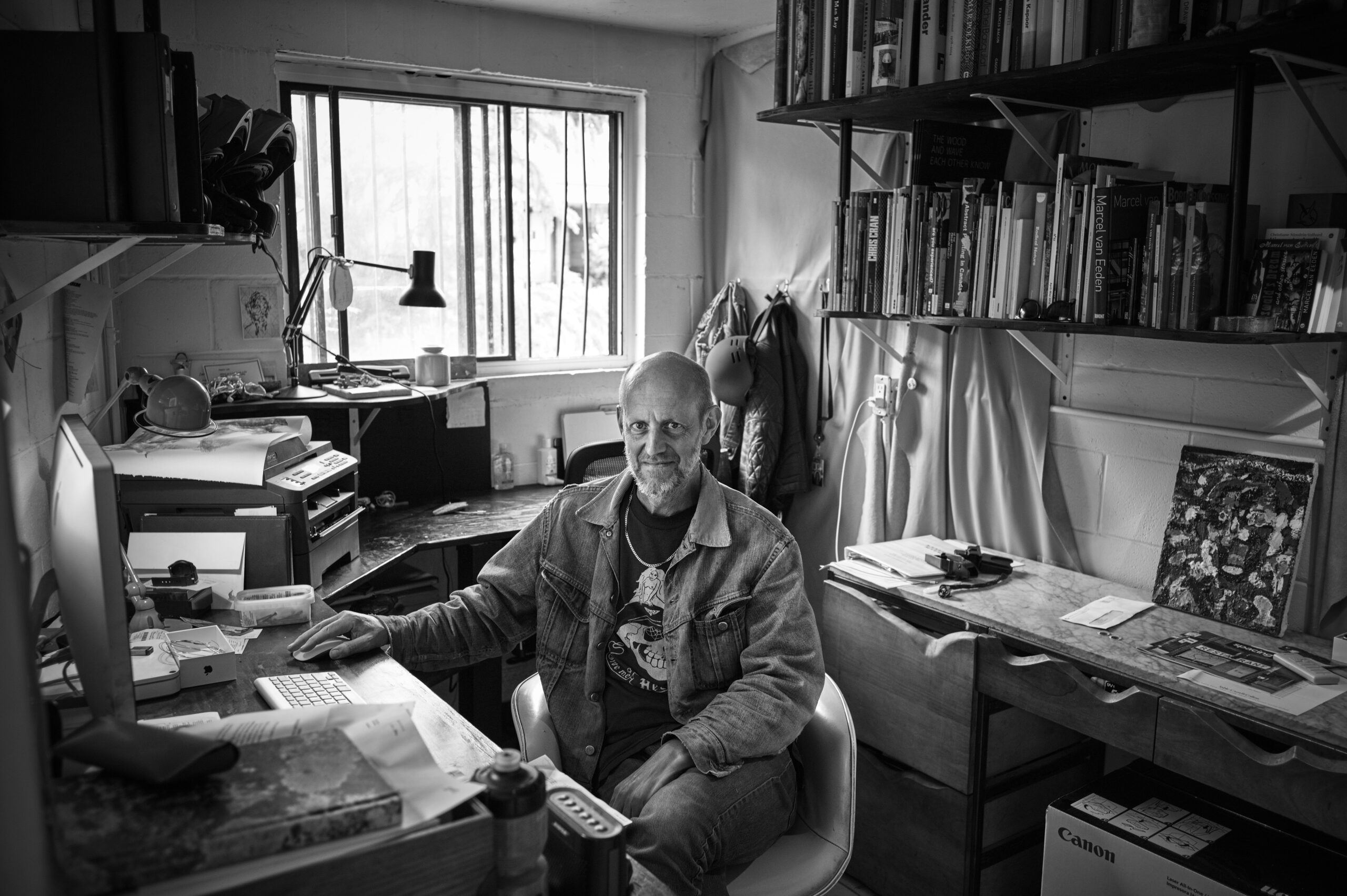
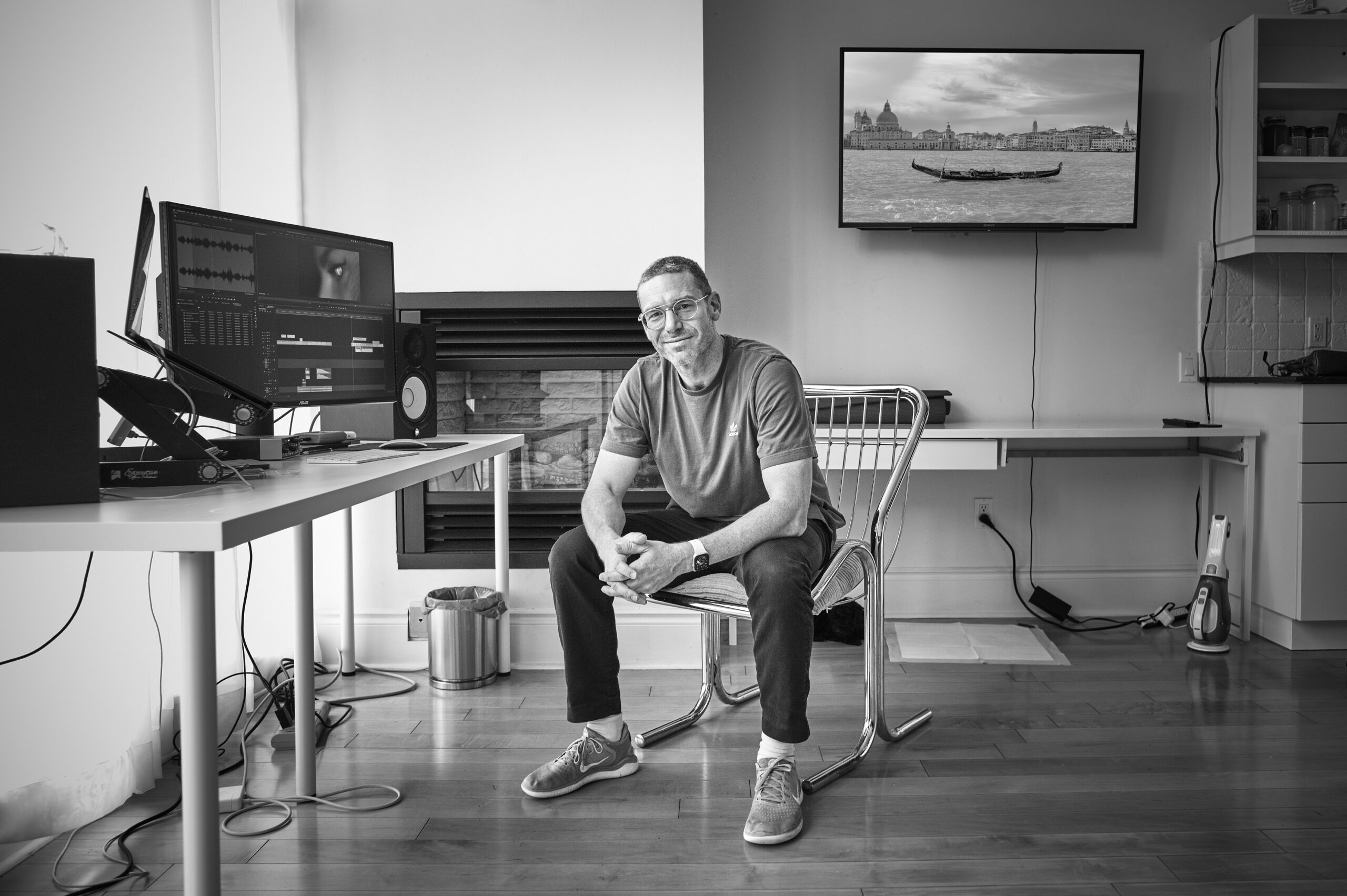
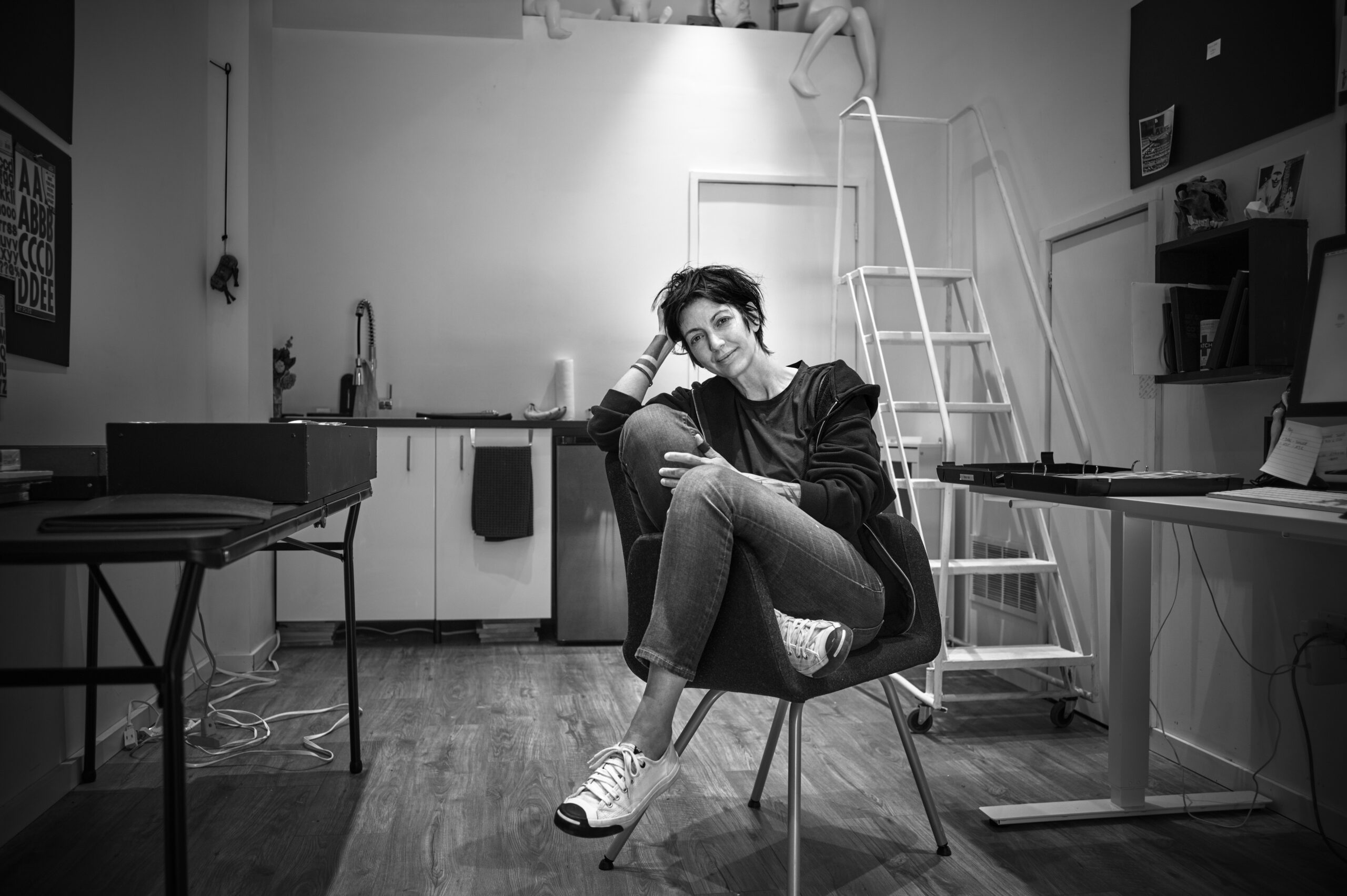
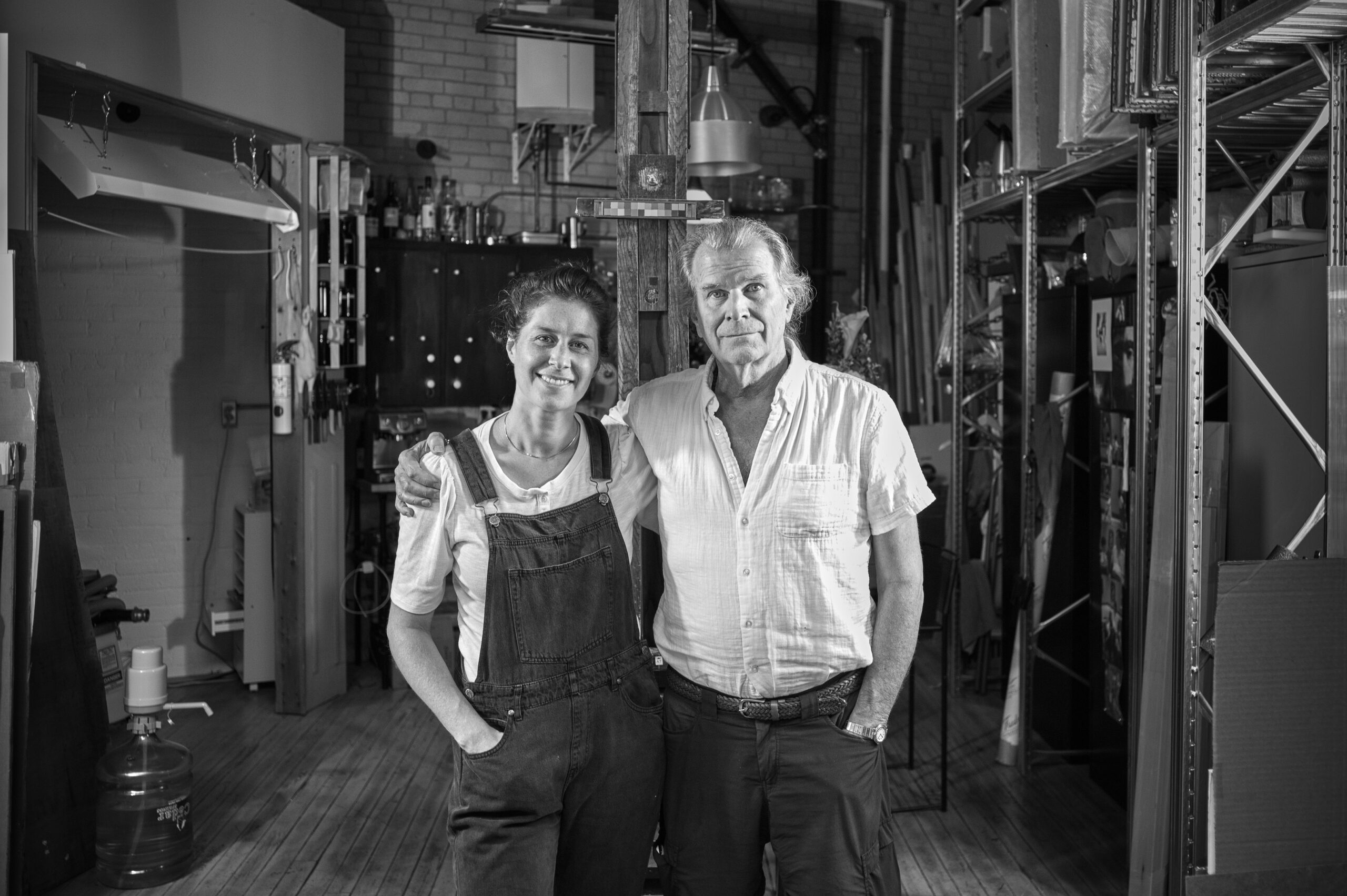
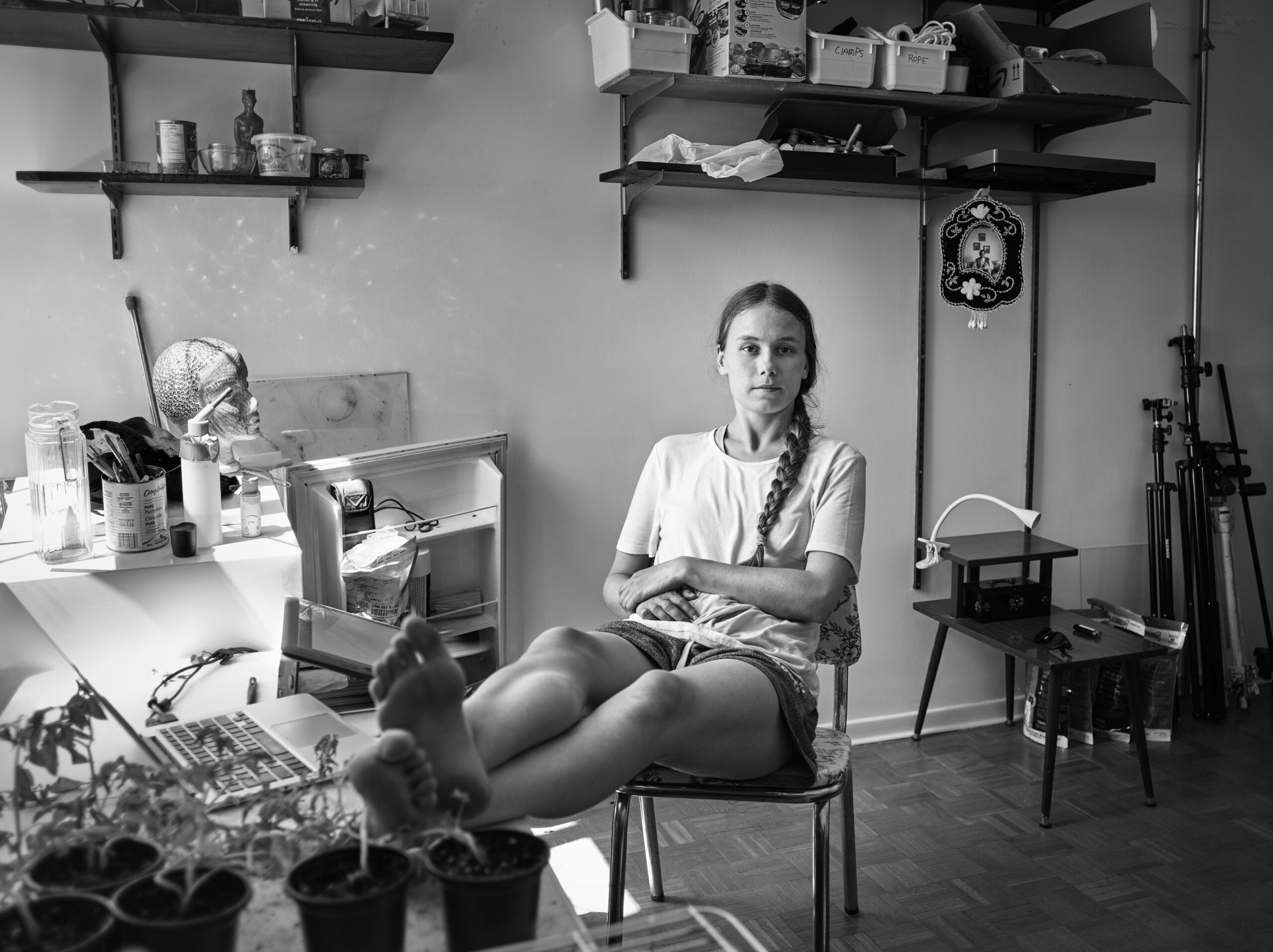
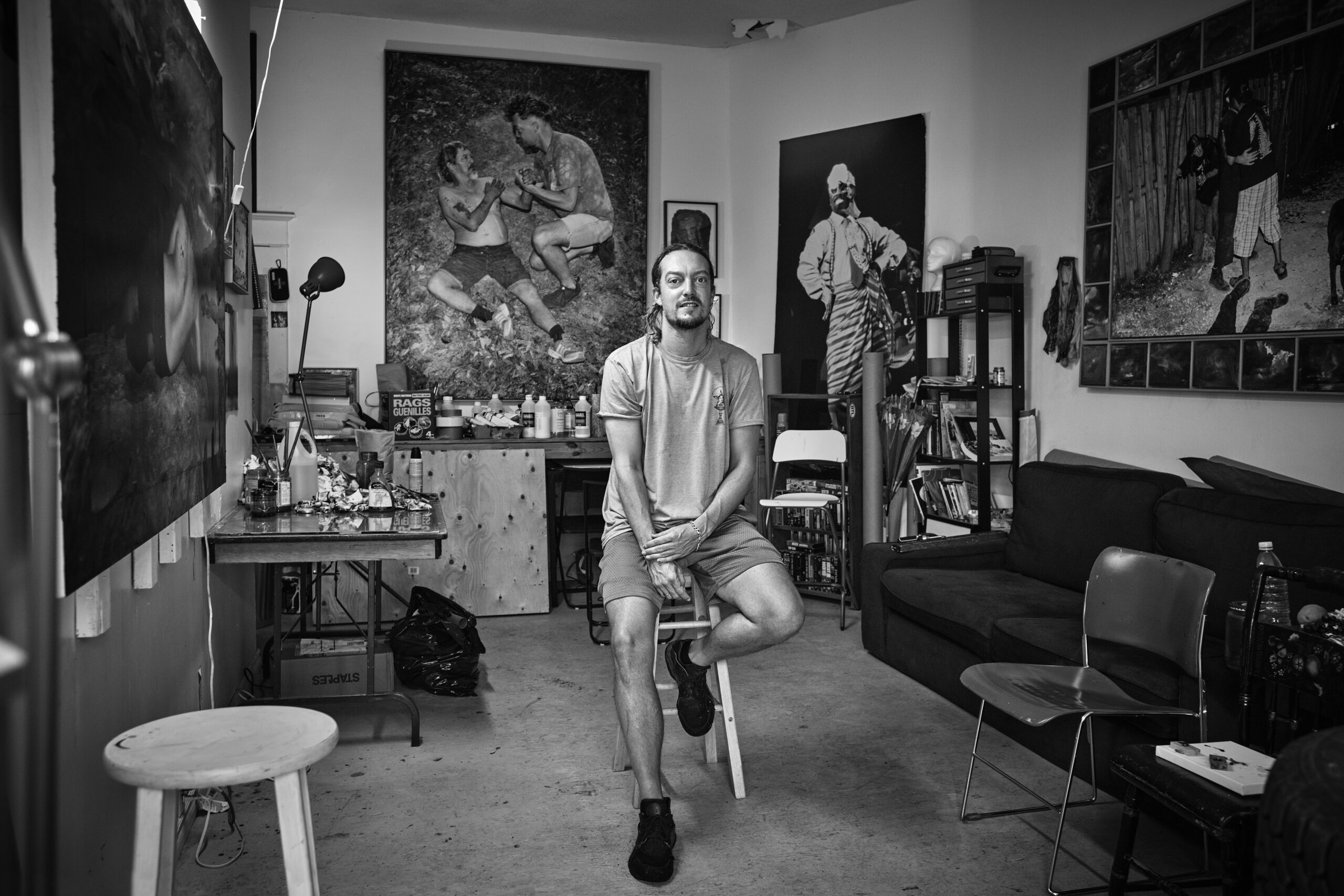
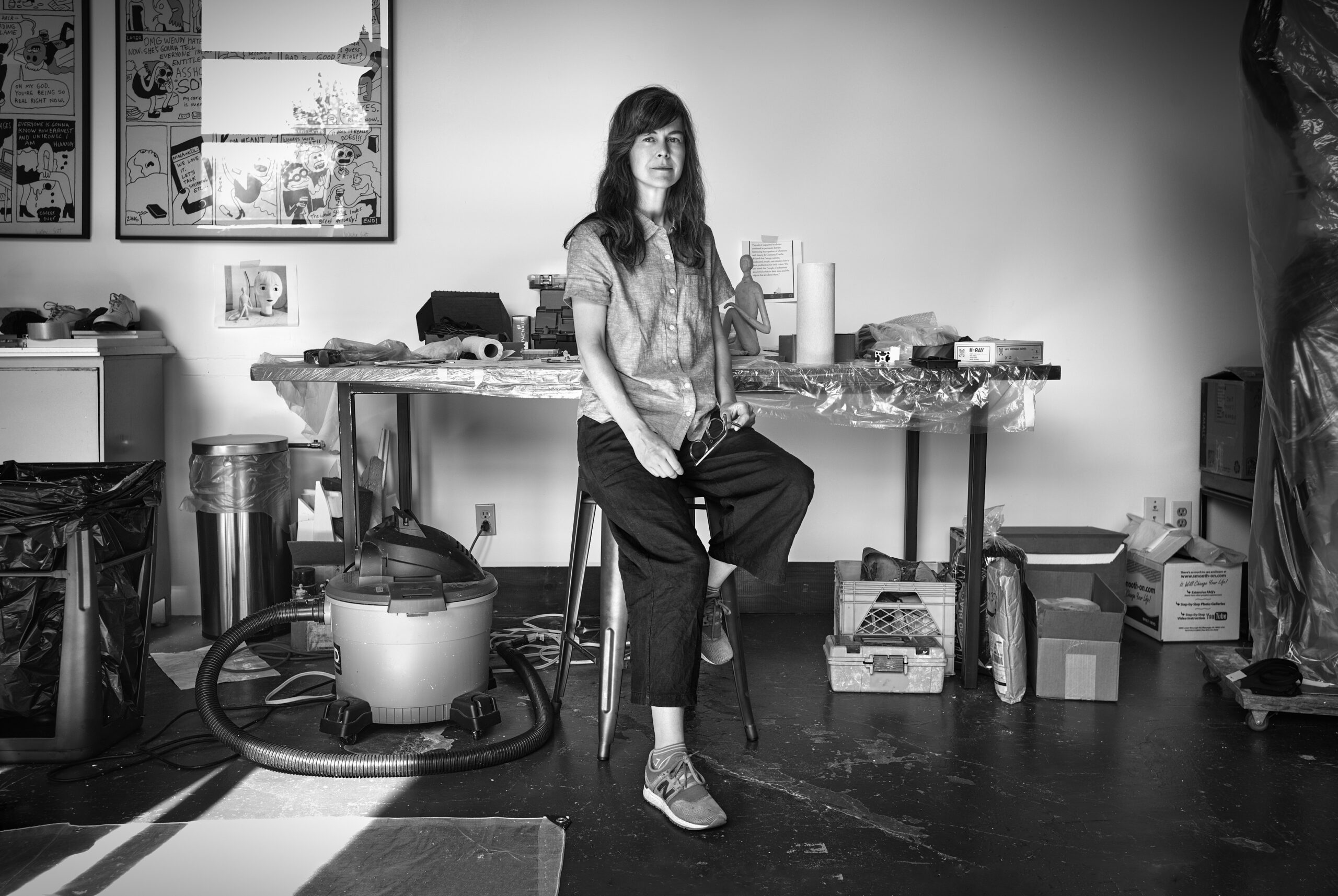

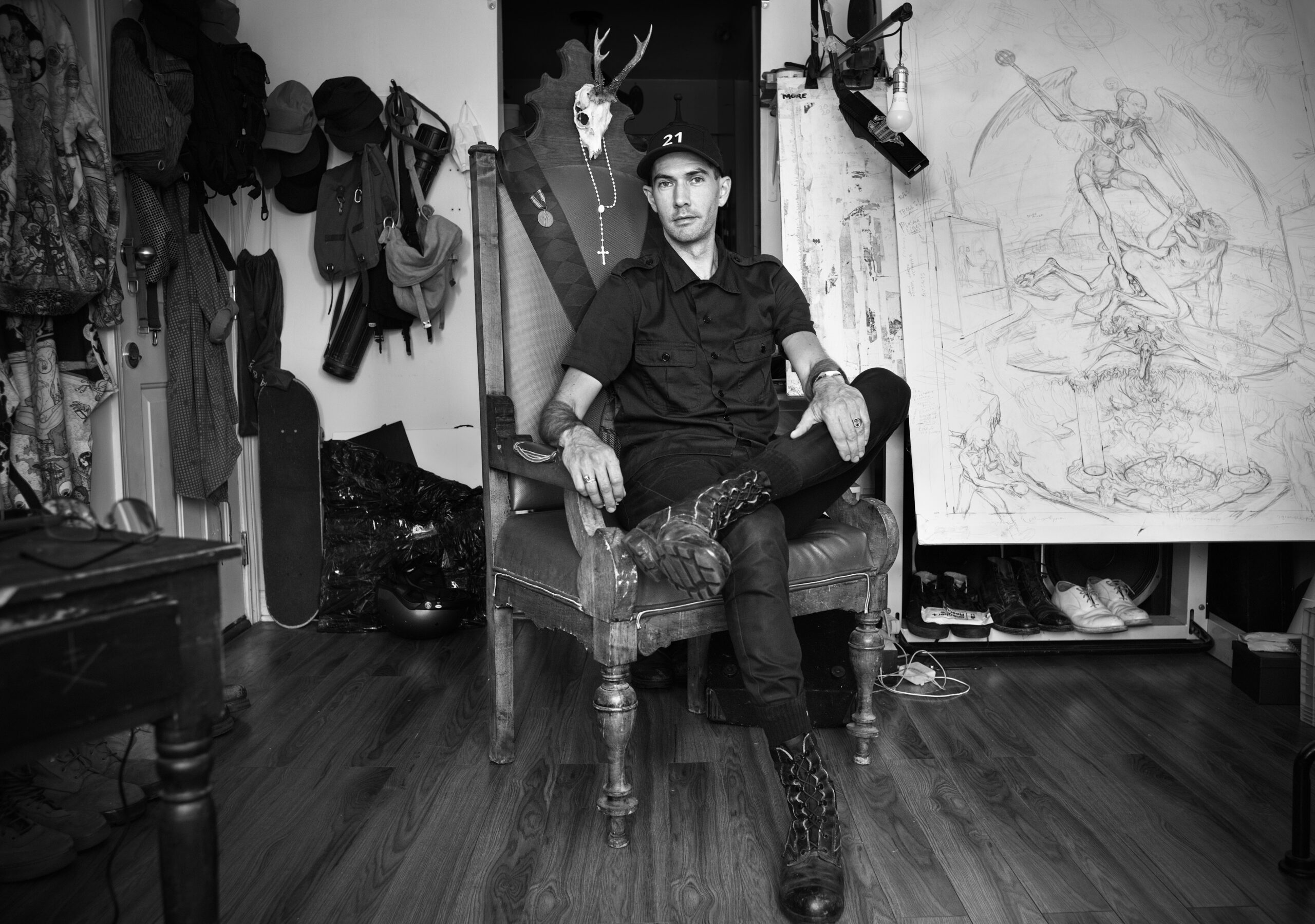

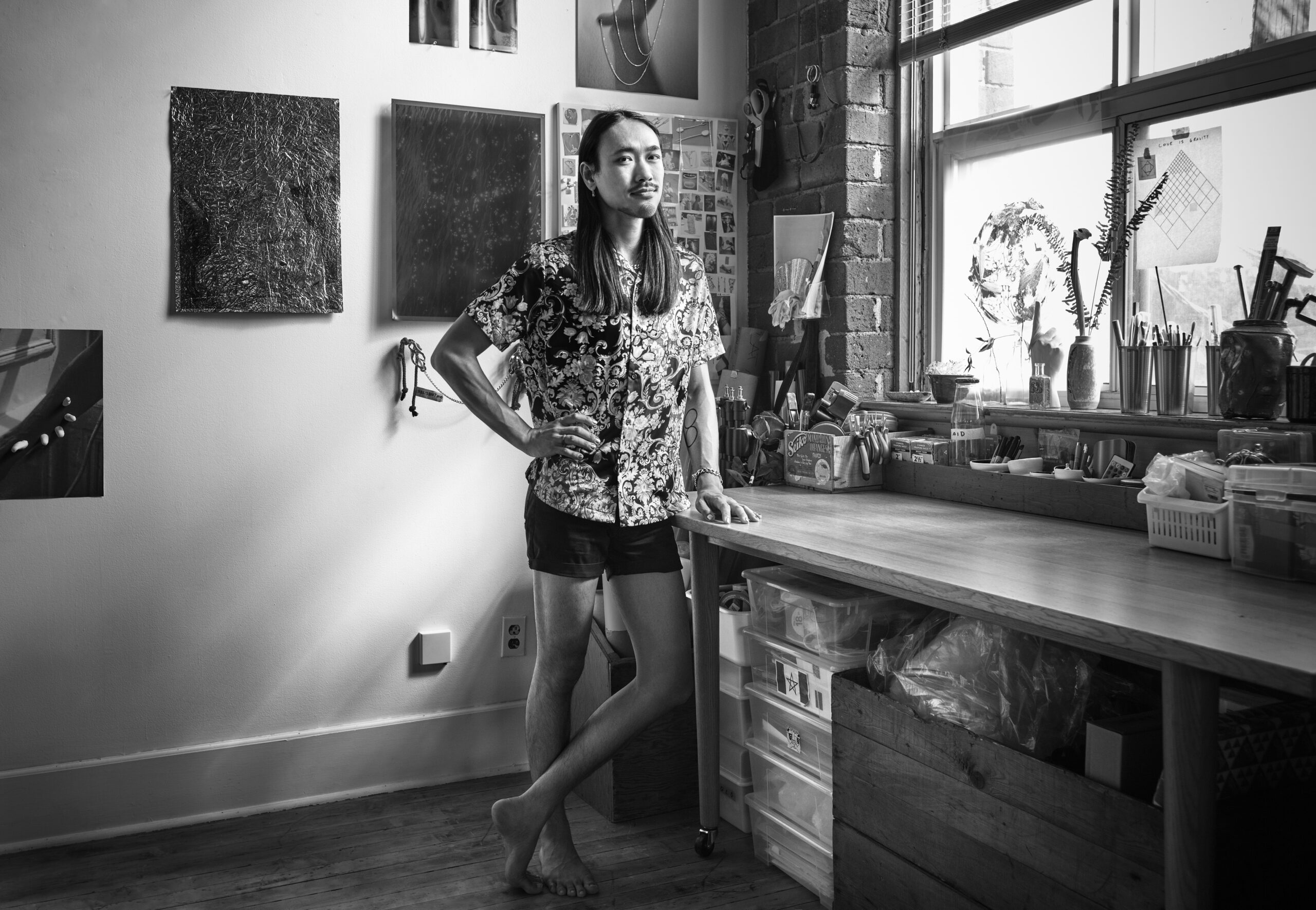
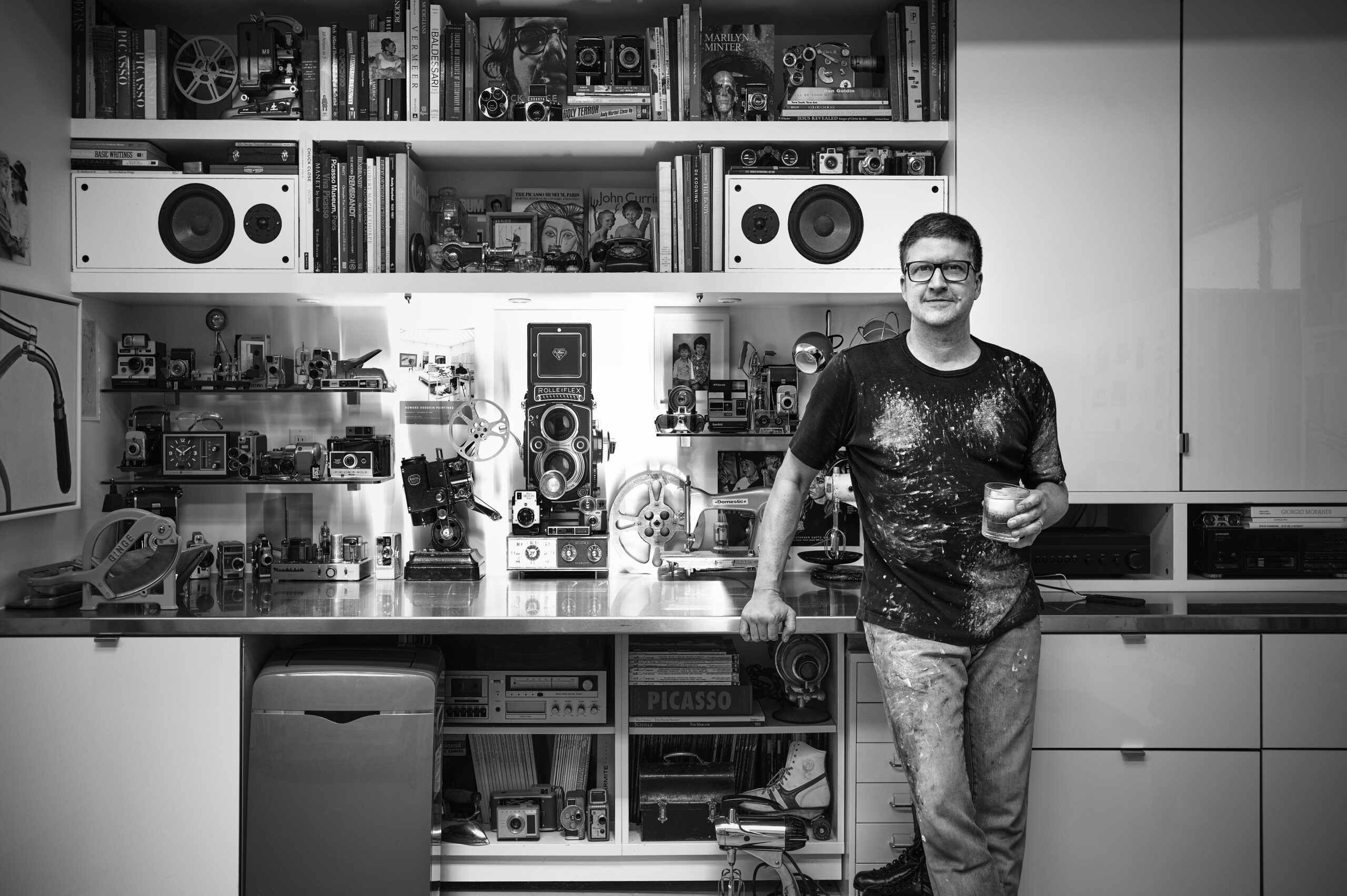
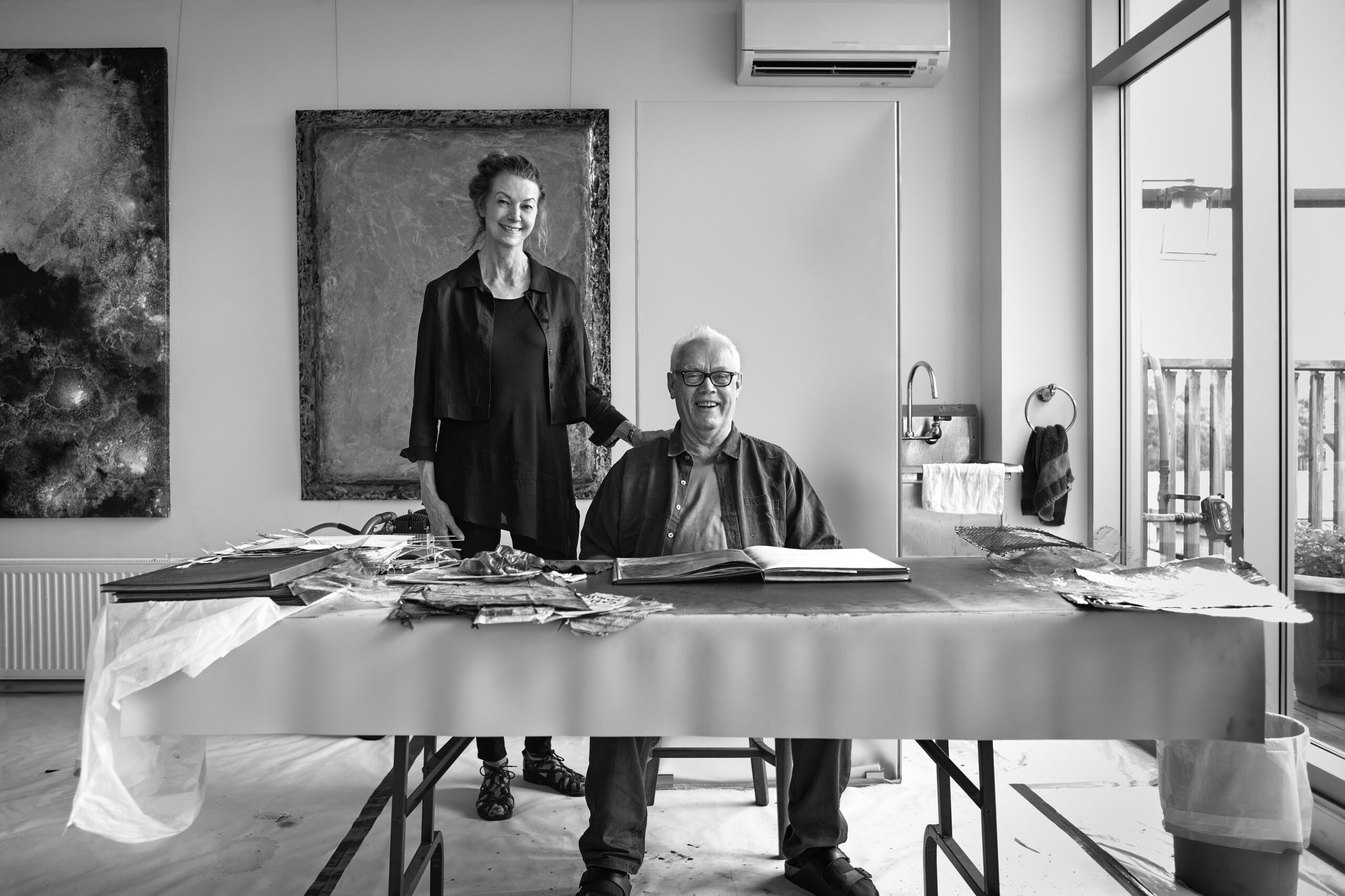

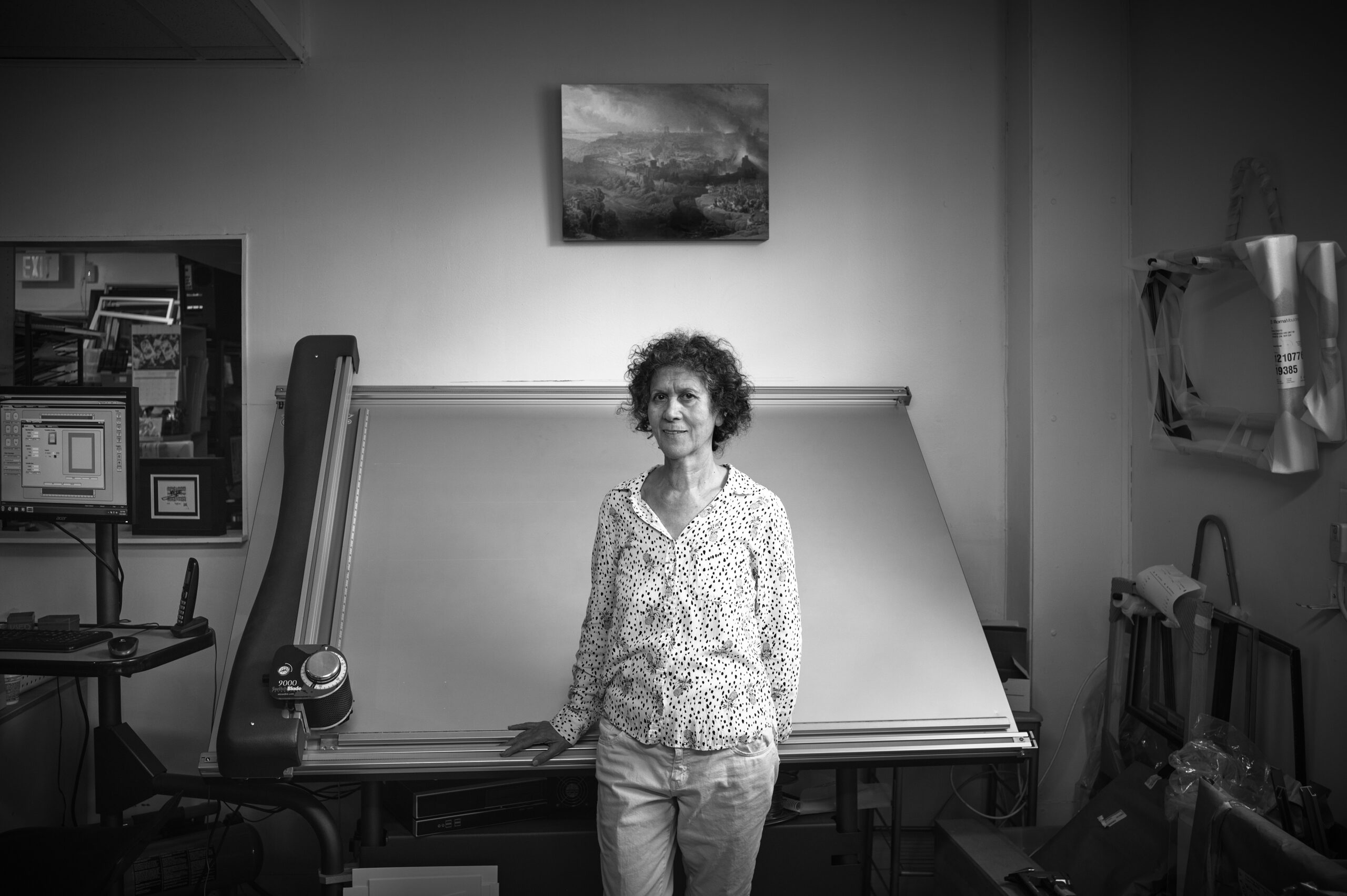
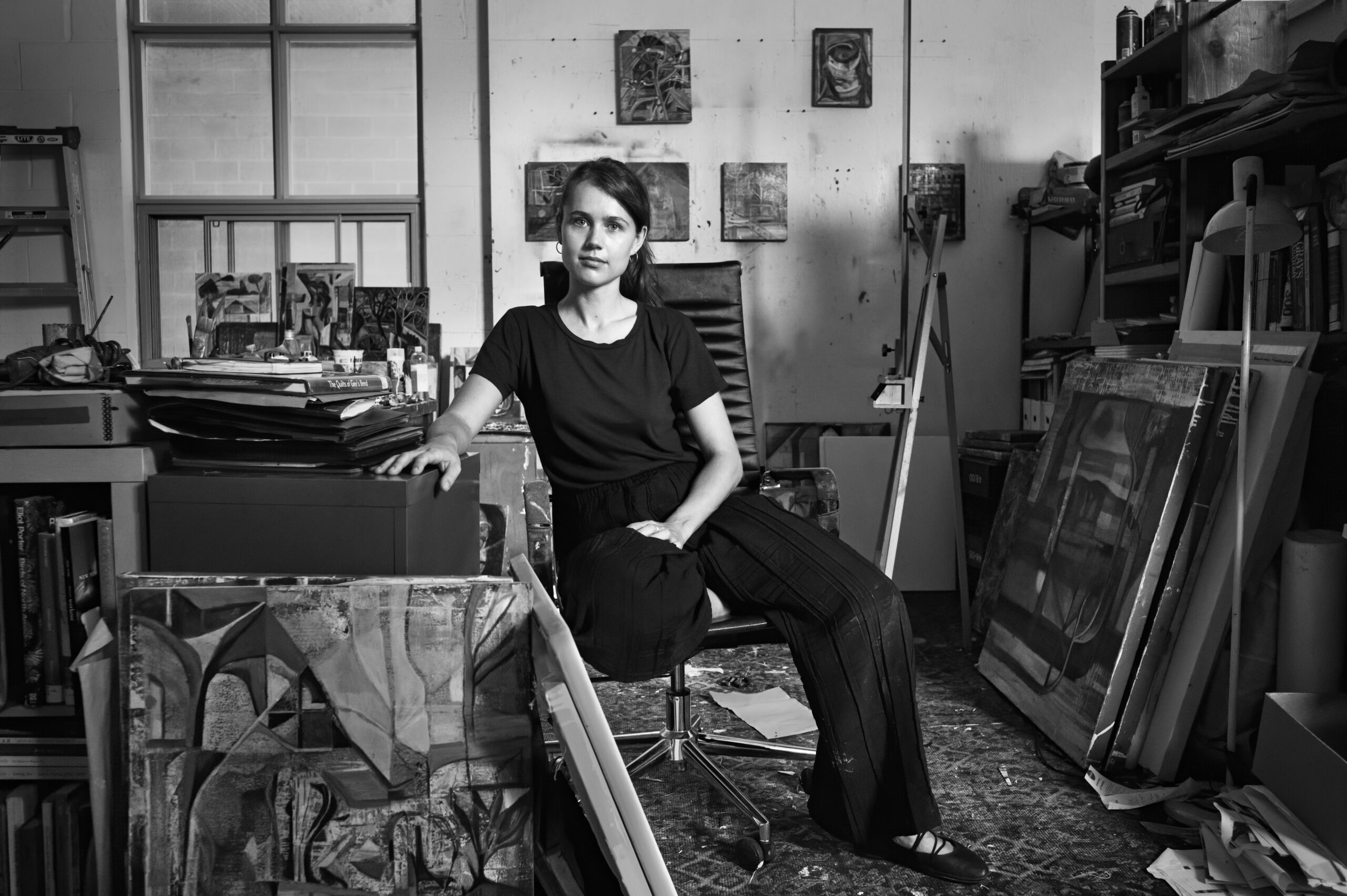
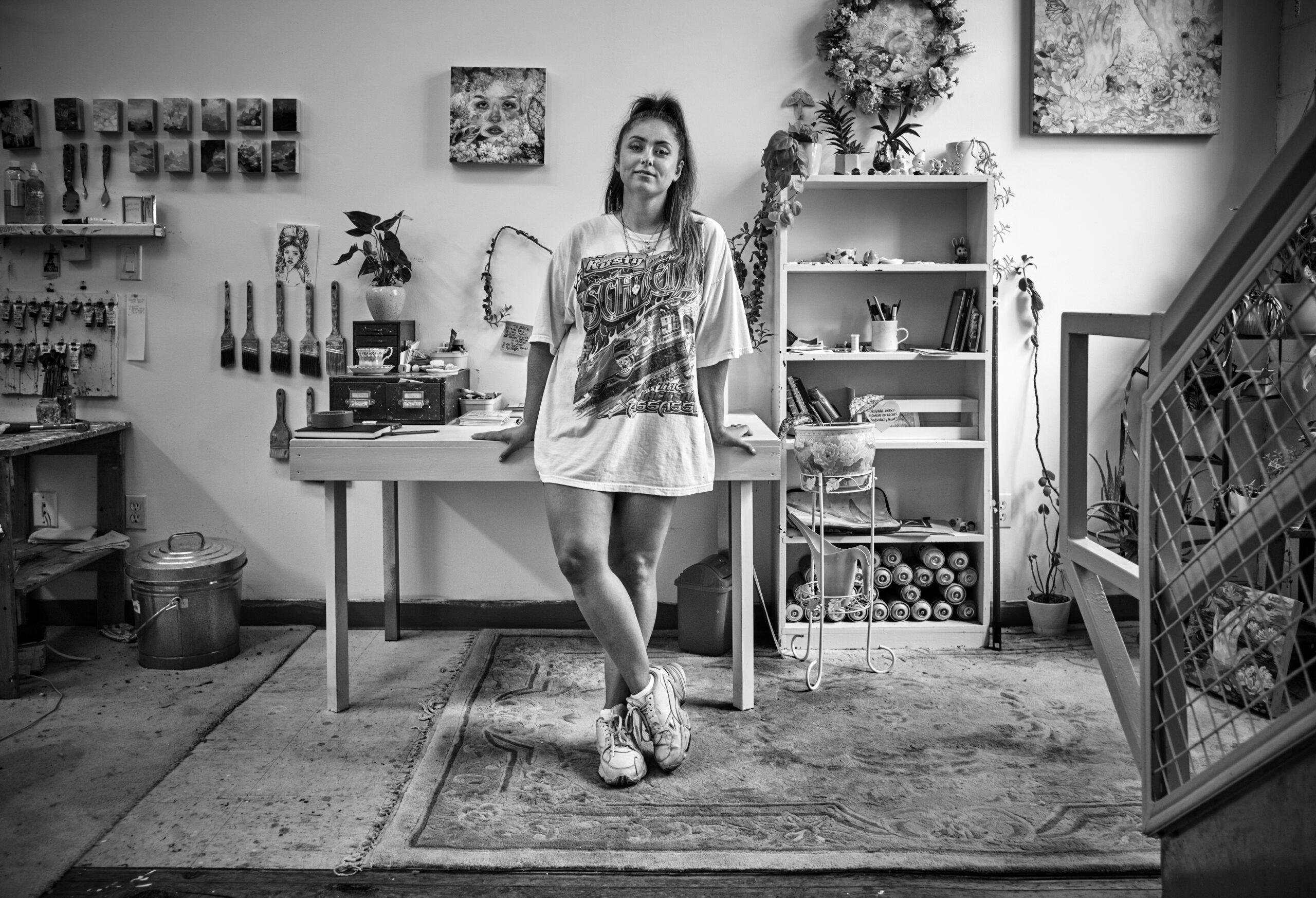
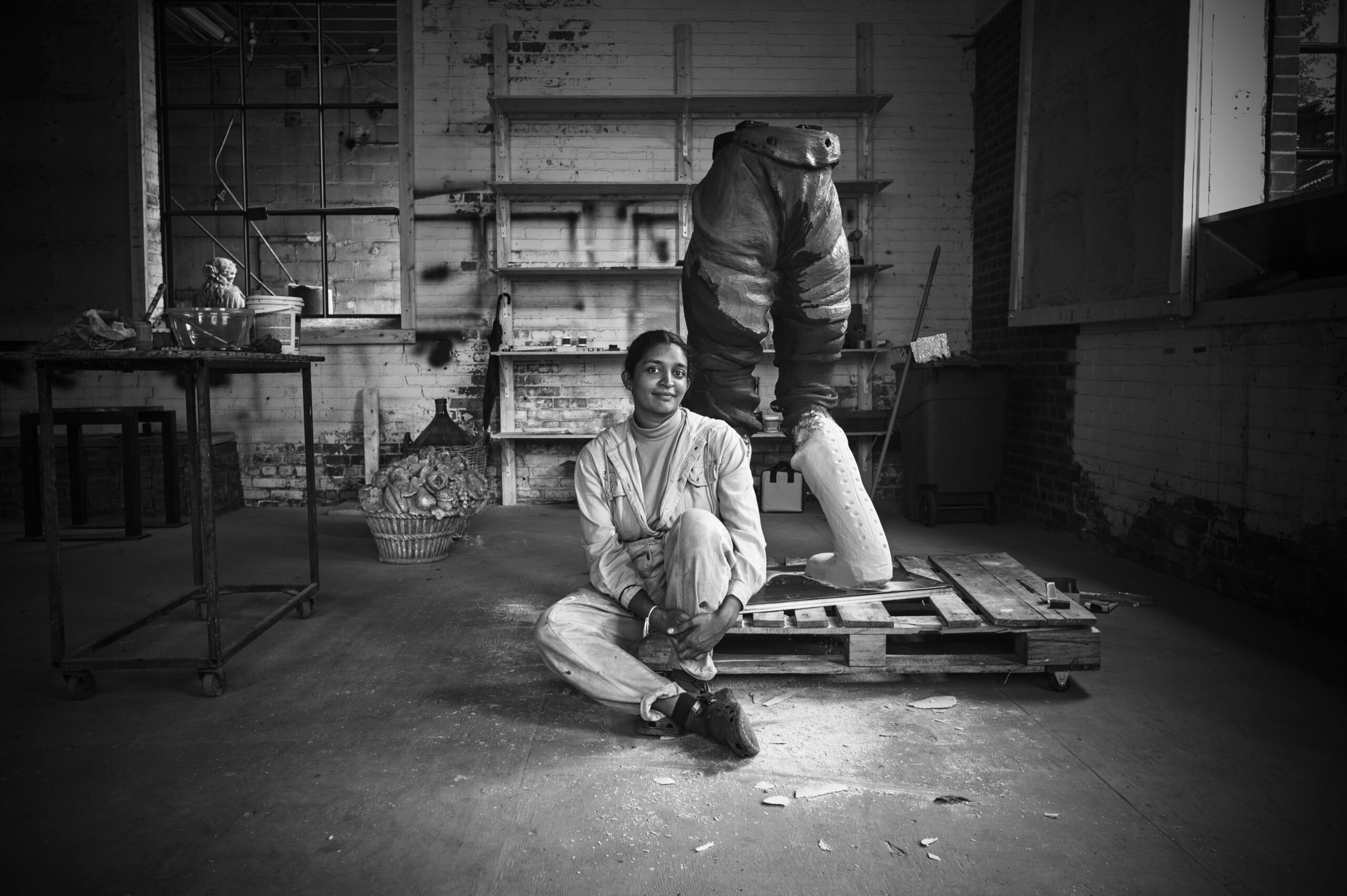
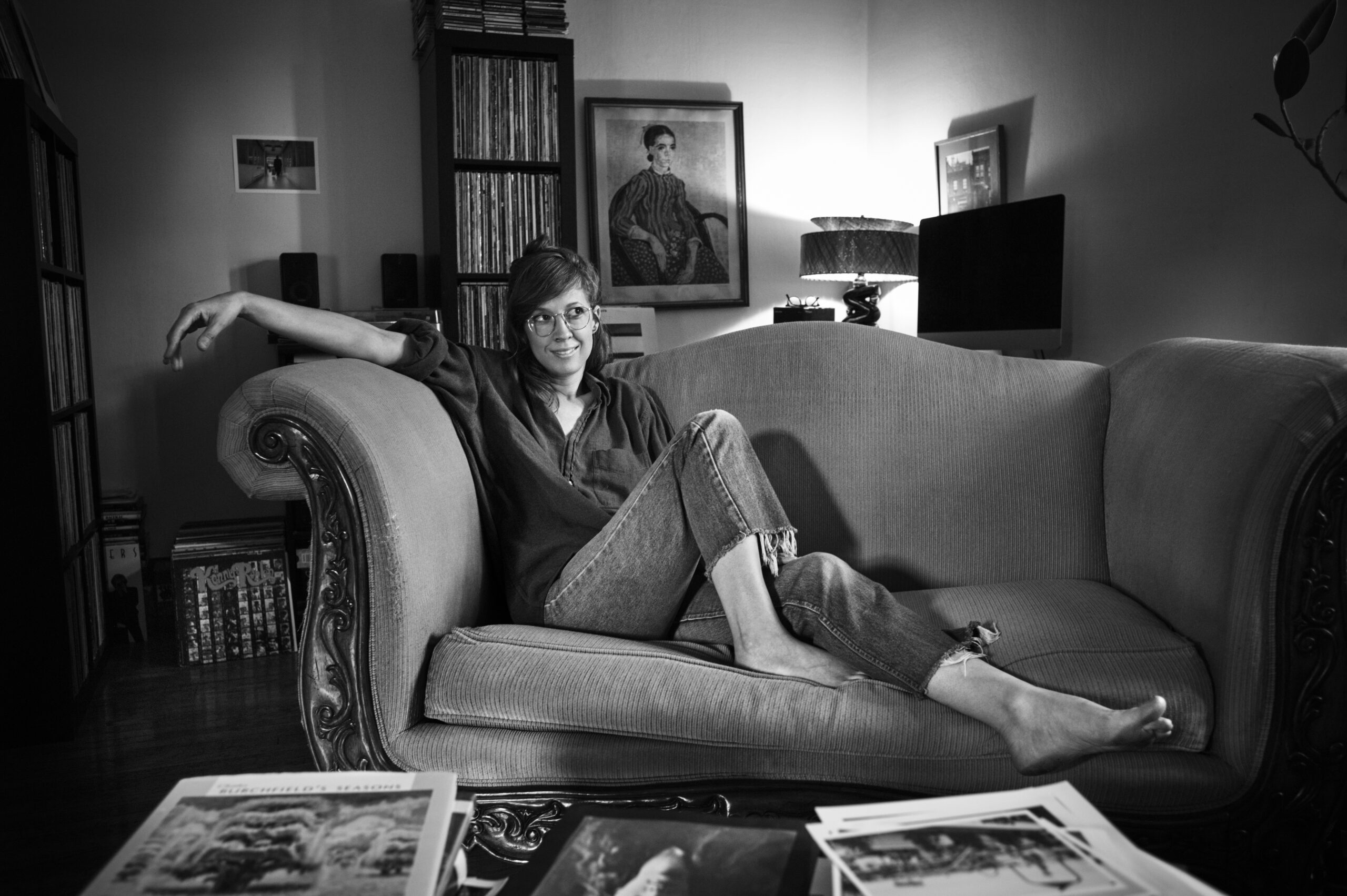


My initial thought posited that the intense, often-described “profound” feeling – that visceral, ineffable resonance certain experiences engender within us – originates from a deep-seated, intuitive recognition of archetypal images, concepts, and narratives. These archetypes, understood in the Jungian sense, form the primordial substratum of the collective unconscious, and their sudden manifestation in the conscious mind was believed to be the source of this profound emotional and intellectual recognition.
Upon deeper consideration, this perspective demands a significant revision. While the role of archetypes may be a component, it may not be the primary mechanism.
A more compelling hypothesis suggests that this “profound” feeling is, fundamentally, the sensation of an immediate, potent connection with our higher selves. We conceive of the “higher self” not as a mere idealized version of our current personality, but as the transcendent, total consciousness that exists outside the conventional boundaries of the “Real” world – outside of linear time, space, and the material domain. A small, yet essential, shard of this total, omniscient self is perpetually anchored within our current, limited daily consciousness.
When we encounter specific images, conceptual frameworks, sonic patterns, sensory stimuli, or physical objects, these encounters can act as powerful, non-linguistic catalysts. The higher self, recognizing these elements as belonging to the “larger universe” – the non-Real, supra-sensory reality from which it originates – snaps its attention toward the nexus of our daily, mundane consciousness. This instantaneous shift in focus creates an intense, temporary emotional and cognitive bridge between the limited self and the infinite self. It is this sudden, unmediated flow of awareness, this bridging of two distinct realities – the temporal and the eternal – that is the actual source and essence of the “profound” feeling. It is not merely recognition, but reunion, however fleeting, with a part of our own truest nature.
This mechanism requires further meticulous elucidation to fully comprehend its implications for human experience. The phenomenon suggests that profoundity is not discovered in the external world, but is instead activated by it, drawing upon an internal, latent wellspring of transcendent knowledge.
All photos are copyright (c) 2026 imagefoundry
High-resolution images are available free to all participants of this project. For any inquiries please contact me at info@imagefoundry.ca